
When designing a robust disaster recovery (DR) strategy in Azure, understanding zonal and regional capabilities is crucial. Here are some tips to help you optimize your architecture for resilience and reliability:
Understanding Zonal vs. Regional Redundancy
Zonal Redundancy: This involves replicating data and services across multiple availability zones within the same region. Each zone is a separate physical location with independent power, cooling, and networking, ensuring that if one zone fails, others remain operational.
Regional Redundancy: This refers to replicating resources across different geographical regions, providing an additional layer of protection. This ensures that your services remain available even in the event of a regional outage.
Easy Wins for Enhanced Resilience
- Azure Site Recovery:
- What It Does: Azure Site Recovery (ASR) enables business continuity by replicating workloads from a primary site to a secondary location. In case of an outage, you can failover to the secondary location and access your applications and data.
- Why It’s Useful: ASR is straightforward to set up, provides automated failover and recovery, and integrates with various Azure services. It’s a cost-effective way to enhance your DR strategy without significant upfront investment.
- Zonal Redundancy:
- Implementation: Choose services that support zonal redundancy, such as zone-redundant storage (ZRS), to ensure data is replicated synchronously across three zones within the same region. This minimizes latency and data loss in case of a zonal failure.
- Benefits: Zonal redundancy offers lower latency and higher availability for critical applications, ensuring your data is accessible across multiple zones within the same region.
- Invest in Higher SKUs/Tiers:
- Why Upgrade?: Paying extra for higher SKUs or tiers significantly improves the redundancy and availability of your services. For instance, choosing the Premium or Ultra tiers in Azure SQL Database or Cosmos DB provides better performance and zonal redundancy.
- Return on Investment: The investment leads to substantial benefits in terms of reliability, performance, and disaster recovery capabilities, often outweighing the additional expense.
A Common Scenario: Missed Opportunities for Redundancy
A frequent oversight is companies not taking the opportunity to implement zone redundancy due to office politics or short-sightedness. A prime example is when Azure products like Azure App Service versions expire. This is an excellent time to upgrade and evaluate your architecture, allowing you to enhance redundancy while also updating your services. It’s a chance to “kill two birds with one stone,” yet many miss this opportunity due to internal resistance or focus on short-term costs rather than long-term benefits.
Additional Tips
- Regular Testing: Regularly test your DR plans to ensure failover processes work seamlessly. Azure provides tools to simulate outages and assess your recovery strategy’s effectiveness.
- Monitor and Optimize: Use Azure Monitor and Azure Advisor to keep track of your resources’ performance and get recommendations on optimizing costs and improving availability.
- Leverage Geo-Redundant Storage (GRS): For maximum data protection, consider using GRS or Read-Access Geo-Redundant Storage (RA-GRS), which replicates data to a secondary region, providing additional safety against regional disasters.
Conclusion
Implementing a robust disaster recovery strategy in Azure involves understanding zonal and regional redundancies and leveraging Azure’s built-in tools like Azure Site Recovery. By investing in zonal redundancy and higher service tiers, you can significantly enhance your cloud architecture’s resilience, ensuring business continuity and data protection in the face of disasters.
As a leader in the platform space we strive to ensure at a minimum that we provide zonal redundancy, however, keep in mind that an IT ecosystem such as E-Commerce is only as strong as its weakest link. If a critical E-Commerce vertical is not redundant then it does not matter how much redundancy you add elsewhere, the systems will not stand up to a data centre failure.
Lastly, always be pragmatic and use Risk Management strategies such as Likelihood vs Impact matrices and look for areas that provide the highest value and balance cost/effort.

Action Items
- Implement Zonal Redundancy: Ensure critical services have zone redundancy to avoid single points of failure.
- Upgrade SKUs/Tiers: Evaluate existing Azure services and upgrade to higher tiers that offer better redundancy and performance.
- Regular Testing of DR Plans: Schedule regular disaster recovery drills to validate the effectiveness of failover processes.
- Utilize Azure Site Recovery: Set up Azure Site Recovery for automated failover and recovery of workloads.
- Leverage Geo-Redundant Storage: Use GRS or RA-GRS for data that requires maximum protection against regional disasters.
- Monitor Performance: Use Azure Monitor to continuously assess resource performance and availability.
Gaps
- Lack of Regular Review: Many companies fail to review and update their DR strategies regularly, leading to outdated plans.
- Missed Upgrade Opportunities: Organizations often overlook opportunities to enhance redundancy during product version updates or expirations.
- Insufficient Testing: DR plans may not be tested thoroughly, leading to gaps in actual recovery scenarios.
- Office Politics: Internal resistance or focus on short-term costs can hinder implementing effective DR solutions.
Recommendations
- Take Advantage of Expirations: Use service version expirations as an opportunity to evaluate and enhance redundancy.
- Promote Awareness: Educate stakeholders about the long-term benefits of investing in robust disaster recovery solutions.
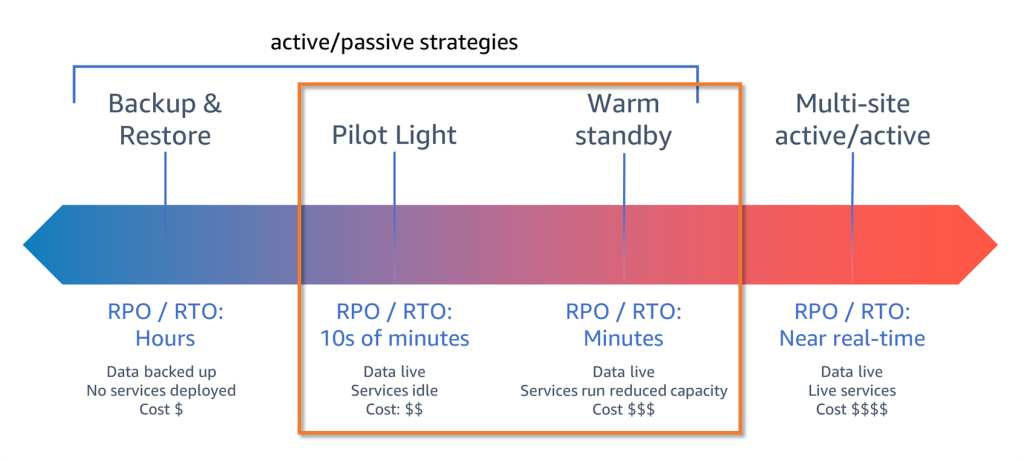
- Set realistic RPO and RTO goals (Recovery Point Objectives and Recovery Time Objectives)
- Uncategorized
 Romiko Derbynew